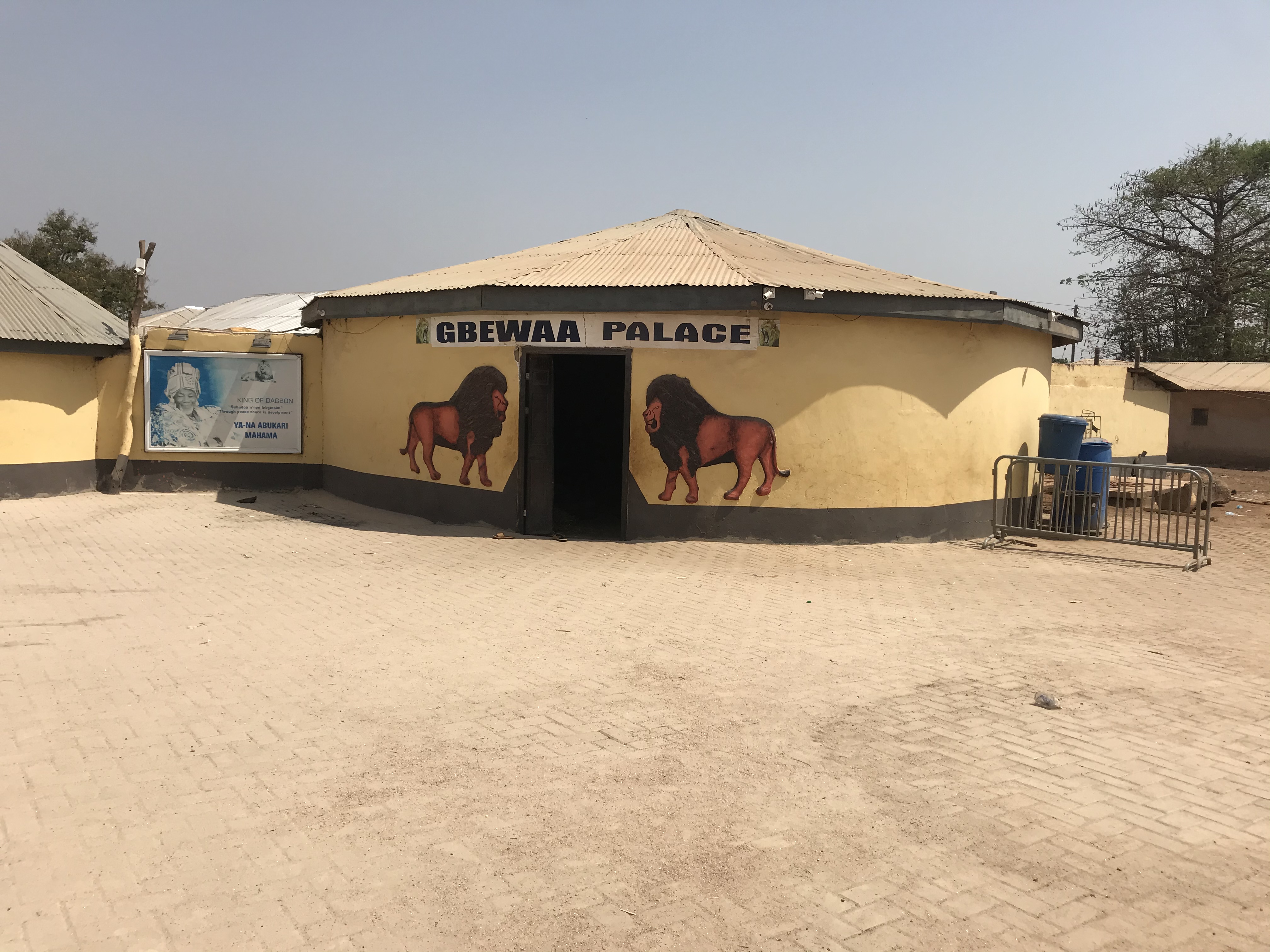
Yaa Naa's Palace (Gbewaa Palace)
The Gbewaa Palace is the official seat of the Yaa Naa, the paramount chief and overlord of Dagbon in the Northern Region of Ghana. It serves as the center of traditional governance for the Dagbon kingdom, one of the oldest and most significant traditional states in northern Ghana. The palace hosts the Yaa Naa and the traditional council that administers customary law and resolves disputes across Dagbon.
Everything public about Yaa Naa's Palace (Gbewaa Palace)
The Gbewaa Palace in Yendi serves as the official residence and seat of the Yaa Naa, the paramount chief of the Dagbon Kingdom, one of Ghana's oldest and most powerful traditional states in the Northern Region. Named after Naa Gbewaa, the legendary founder of the Dagbon Kingdom, the palace functions as the administrative center for traditional governance, dispute resolution, and cultural preservation across Dagbon. The Yaa Naa and his council of elders oversee customary law, chieftaincy matters, and the rich cultural heritage of the Dagomba people from this historic seat.
The Dagbon Kingdom was founded in the 15th century by Naa Gbewaa, whose descendants established one of the most organized traditional states in West Africa with a complex hierarchy of chiefs. The palace in Yendi has been the traditional seat of power for centuries, though it has been rebuilt and renovated multiple times, including major reconstruction following the Dagbon chieftaincy conflict that was resolved in 2019. The installation of a new Yaa Naa follows elaborate traditional customs including the performance of funeral rites for predecessors and involves sacred rituals that connect the present ruler to centuries of ancestors.
- The Yaa Naa is selected from two royal gates: the Abudu and Andani families, who traditionally rotate the paramountcy
- Yendi serves as the traditional capital of Dagbon, with over 30 divisional chiefs across the Northern Region paying allegiance to the Yaa Naa
- The palace hosts the annual Damba festival and Fire festival, major cultural celebrations that attract thousands of Dagombas
- The Dagbon traditional area uses the lunsi (court historians) who preserve oral history and genealogy through drumming and narration
- Traditional governance at the palace follows centuries-old protocols including the use of regalia such as royal smocks, drums, and symbolic staffs
Visitors interested in the palace should seek permission through the palace protocol office or local tourism authorities in Yendi, as it is a working seat of traditional governance with restricted access during ceremonial periods. The best time to experience the palace culture is during major festivals like Damba or the Fire Festival when public celebrations occur. Respectful dress and adherence to local customs are essential, and photography may require special permission from palace officials.
The talking drums (lunsi) at the Gbewaa Palace can recite the complete genealogy of all Yaa Naas from Naa Gbewaa to the present, spanning over 500 years of history, with each drum beat representing specific words in the Dagbani language that only trained court drummers can decode and perform.
Videos, photos & articles
Install the App
Tap the “Install App” button in the menu (or the banner at the bottom) to add GhanaMann to your home screen — it opens full-screen like a real app, even offline.