Cities
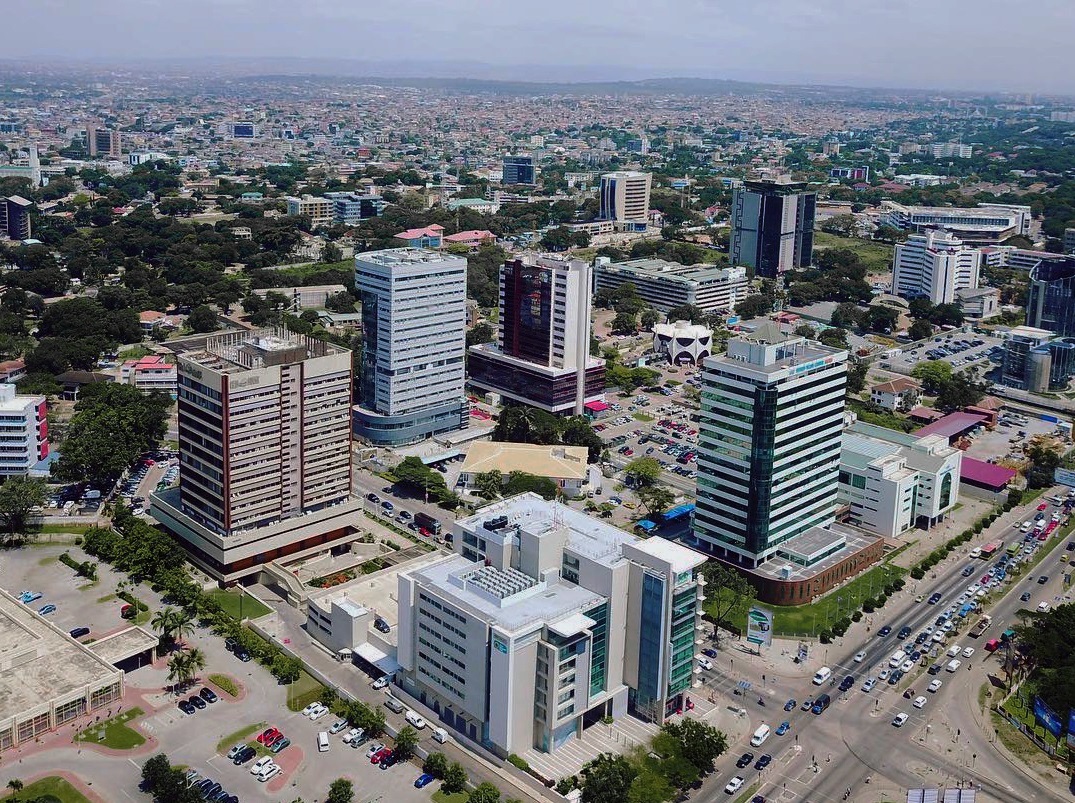
Accra, Kumasi, Tamale, Takoradi and beyond.

Atebubu-Amantin District
Atebubu-Amantin is a district in the Bono East Region of Ghana, with Atebubu as its capital. The district is known for its rich cultural heritage, traditional festivals, and historical significance as a trading hub. It features various cultural attractions including traditional architecture, craft centers, and annual festivals that celebrate the area's diverse ethnic communities.
Tema
Tema is Ghana's main industrial and commercial port city, located approximately 25 kilometres east of Accra. Established in the 1960s around the Tema Harbour, it is home to Ghana's largest seaport, an industrial zone with manufacturing plants, oil refineries, and the Tema Oil Refinery. The city serves as a major gateway for imports and exports and is one of the most planned urban centres in Ghana.
Danquah Circle (Osu Circle)
Danquah Circle, commonly known as Osu Circle, is a major roundabout and transportation hub in the Osu neighborhood of Accra. The circle serves as a key intersection connecting Oxford Street, Cantonments Road, and other arterial routes, and is surrounded by local shops, street vendors, and commercial activity. It is a bustling landmark in central Accra and a popular transit point for commuters.
Sekondi
Sekondi is the historic twin city of Takoradi in the Western Region of Ghana, forming the Sekondi-Takoradi metropolis. It is known for the 17th-century Fort Sekondi (Fort Orange), Dutch colonial architecture, and serving as a traditional and administrative center. The city retains significant historical buildings and cultural heritage from the colonial era.
Takoradi
Takoradi is a major port city on Ghana's western coast and serves as the capital of the Western Region. Together with the twin city of Sekondi, it forms the Sekondi-Takoradi Metropolitan Area, one of Ghana's most important industrial and commercial hubs. The city is home to Ghana's first deepwater seaport and serves as a gateway for the country's oil, gas, and mineral export activities.
Tarkwa Mining District
Tarkwa is a prominent mining town in the Western Region of Ghana, located approximately 90 kilometers inland from Takoradi. It serves as the capital of the Tarkwa-Nsuaem Municipal District and is one of Ghana's oldest and most important gold mining centers, hosting several major mining companies. The town's economy is heavily dependent on gold extraction and related industries.
Tetteh Quarshie Interchange
The Tetteh Quarshie Interchange is a major road junction in Accra, Ghana, connecting the Accra-Aburi road with the Madina-Adenta highway and serving as a critical gateway to the eastern corridor of Greater Accra. Named after Tetteh Quarshie, the Ghanaian agriculturalist who introduced cocoa to Ghana, the interchange is one of the busiest traffic nodes in the capital. It features a large roundabout and flyover system that facilitates movement between Accra's central business district and residential suburbs.
Atomic Junction
Atomic Junction is a bustling commercial area and major transportation hub located in Accra, serving as a gateway to the University of Ghana, Legon, and the surrounding academic zone. The area features markets, shops, restaurants, banks, and serves as a key interchange point connecting various parts of Greater Accra. It is one of Accra's most vibrant commercial districts with heavy vehicular and pedestrian traffic throughout the day.
Walewale
Walewale is the capital of the North East Region of Ghana and also serves as the administrative center of the West Mamprusi Municipal District. The town is located in the northern part of Ghana and is known as the hometown of several prominent Ghanaian political figures. Walewale serves as a key commercial and administrative hub in the North East Region.
Tema Motorway
The Tema Motorway is a major controlled-access highway in Ghana connecting Accra to Tema, providing direct access to Tema Port, the country's largest seaport. Stretching approximately 19 kilometers, it serves as a critical transportation artery for commercial cargo and passenger traffic between the capital and the industrial port city. The motorway is a key component of Ghana's road infrastructure network.
Adum
Adum is the central business district of Kumasi in the Ashanti Region of Ghana. It is a major commercial hub featuring numerous shops, banks, commercial offices, markets, and retail establishments, making it one of the busiest trading areas in Kumasi.
Bole
Bole is the capital of the Bole District in the Savannah Region of Ghana. It serves as an important administrative and commercial center with a central market and essential services for the surrounding communities. The town is a hub for trade and local government activities in the western part of the Savannah Region.
Bia West District
Bia West District is a district in the Western North Region of Ghana, with Essam as its capital. The district borders Côte d'Ivoire to the west and is known for significant forest reserves including the Bia National Park and Bia Resource Reserve, which are important biodiversity conservation areas in Ghana's high forest zone.
Hohoe
Hohoe is the capital of the Hohoe Municipal District in the Volta Region of Ghana. It serves as an important commercial and administrative center in the region, known for its proximity to tourist attractions including the Wli Waterfalls and Mount Afadja, Ghana's highest peak.
Bawku
Bawku is a major commercial town and the municipal capital of Bawku Municipal District in the Upper East Region of Ghana. Located in the northeastern corner of Ghana near the borders with Burkina Faso and Togo, it serves as an important trading hub and administrative center for the region. The town is known for its vibrant markets and strategic position as a gateway to neighboring countries.
Accra Central Business District
The Accra Central Business District is the commercial and administrative heart of Ghana's capital city. It houses major government ministries, corporate headquarters, financial institutions, and key commercial establishments. The area includes landmarks such as the Ministries, the National Theatre area, and Ridge, serving as the primary hub for business and governance in Accra.
Ho Main Lorry Station
The Ho Main Lorry Station, also known as Ho Transport Terminal, is the central transport hub in Ho, the capital of the Volta Region. It serves as the primary departure and arrival point for inter-city and regional transportation, connecting Ho to major cities including Accra, Kumasi, and other towns in the Volta Region.
Goaso
Goaso is the regional capital of the Ahafo Region of Ghana. It serves as the administrative center of the Asunafo North Municipal District and is a key commercial hub in the region. The town is known for its agricultural activities and strategic location in the central part of Ghana.
Lawra
Upper West town famous for the Kobine Festival and the Black Volta river.
Nkawkaw
Eastern Region commercial town nestled at the foot of the Kwahu escarpment.
Tarkwa
Western Region mining city and home to the University of Mines and Technology.
Ejisu
Ashanti town famous for Yaa Asantewaa, queen mother who led the War of the Golden Stool.
Obuasi
Historic gold-mining city in the Ashanti Region — home to AngloGold Ashanti's flagship mine.

Nalerigu
Capital of the North East Region, historically the seat of the Nayiri of Mamprugu.
Sefwi Wiawso
Capital of the Western North Region, seat of the Sefwi paramountcy.
Techiman
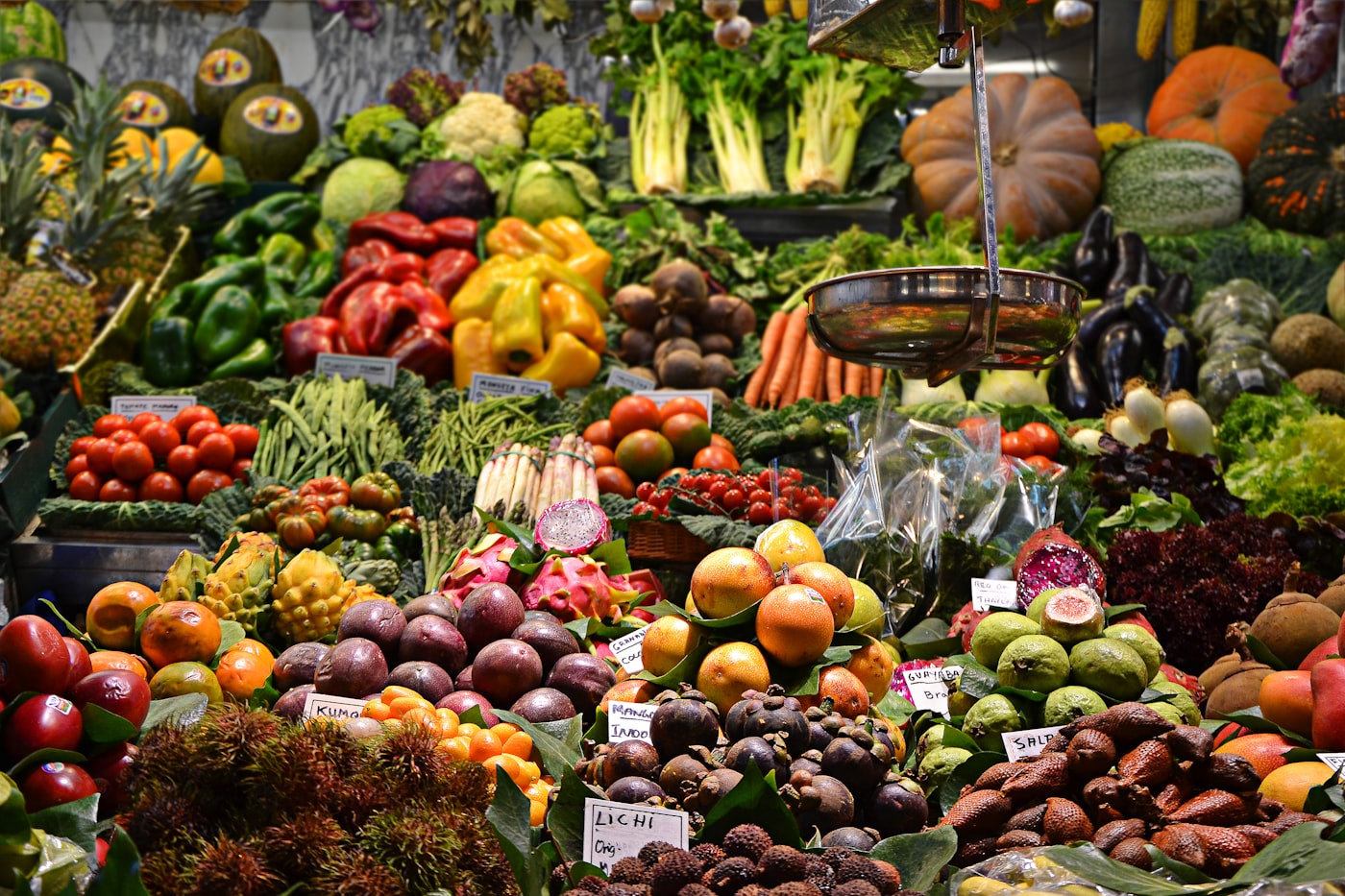
Capital of the Bono East Region, historic market town and a crossroads of West Africa.
Sunyani
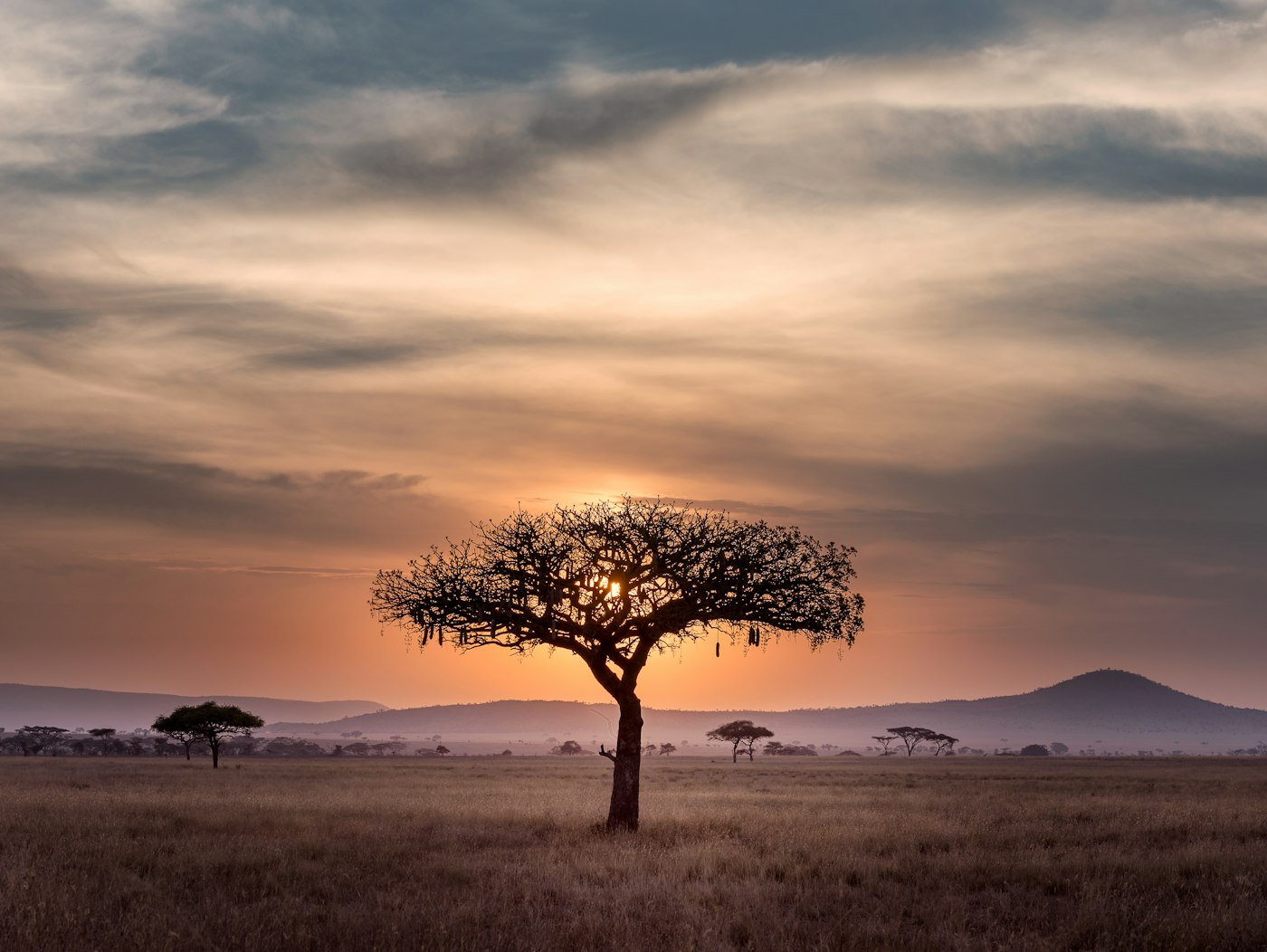
Capital of the Bono Region, green forested city nicknamed the 'cleanest city in Ghana'.
Wa
Capital of the Upper West Region and seat of the Wa Naa. Home to historic Wa-Naa's Palace.
Bolgatanga
Capital of the Upper East Region, famous for Bolga baskets and leather craft.

Tamale
Capital of the Northern Region. Largest city in northern Ghana, cultural hub of the Dagomba.

Ho
Capital of the Volta Region, surrounded by Mount Adaklu and the Asogli paramountcy.
Koforidua
Capital of the Eastern Region, nicknamed 'Kof Town'. Known for bead markets and mountain scenery.
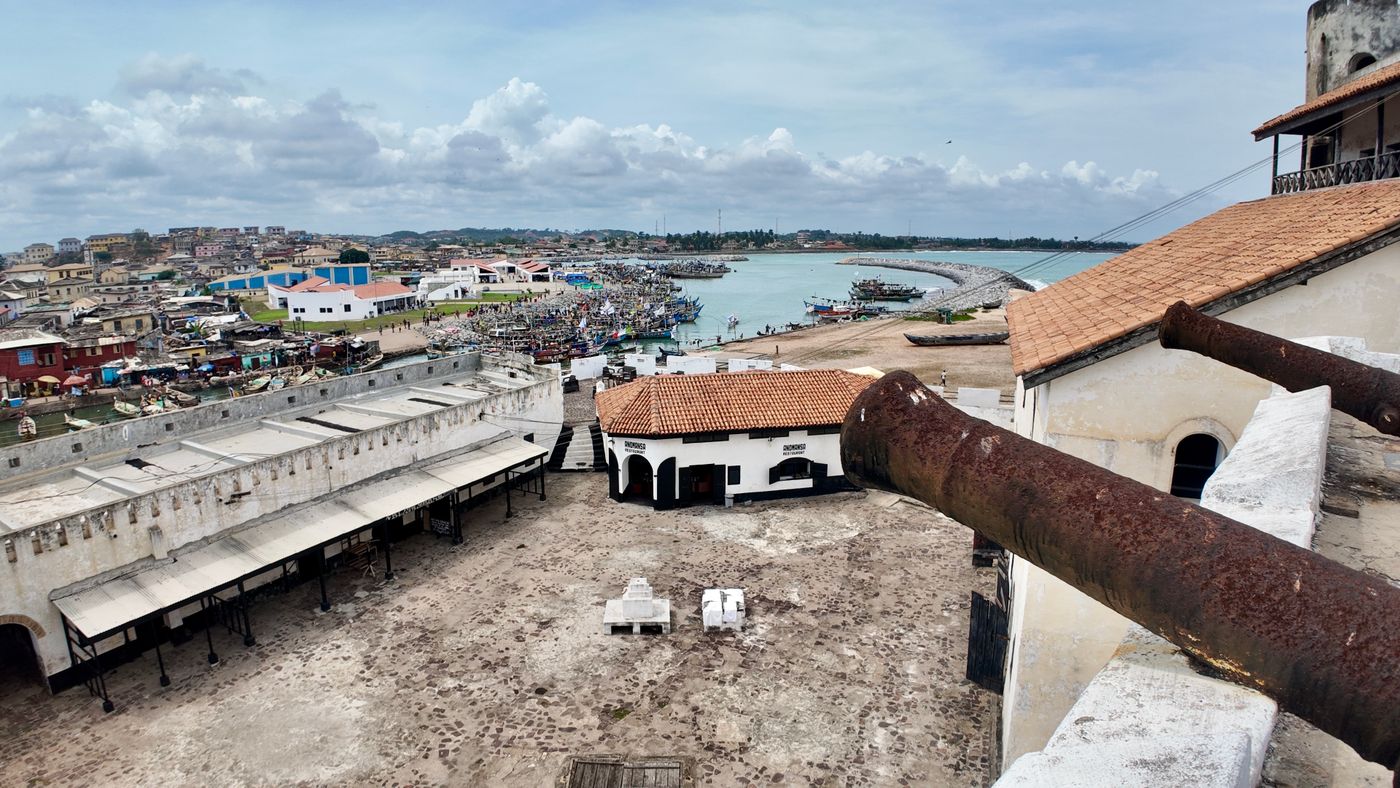
Cape Coast
Capital of the Central Region. UNESCO heritage city and former British colonial capital of the Gold Coast.
Sekondi-Takoradi
Twin city, capital of the Western Region. Ghana's oil and gas hub and a major seaport.

Kumasi
Capital of Ashanti Region. The 'Garden City' and cultural heart of the Asante Kingdom.
Accra
Capital of Ghana and Greater Accra Region. Home to Independence Square, Jamestown, Osu, and the seat of government.
Install the App
Tap the “Install App” button in the menu (or the banner at the bottom) to add GhanaMann to your home screen — it opens full-screen like a real app, even offline.