
Tourist Sites
Castles, forts, parks and cultural wonders.
Kanyinso Waterfalls
Kanyinso Waterfalls is a scenic natural attraction located in the Ahafo Region of Ghana, near Kenyasi. The waterfall cascades through lush forest vegetation and offers visitors opportunities for hiking, photography, and eco-tourism activities. It remains one of the emerging tourist destinations highlighting the natural beauty of the Ahafo Region.
Bono Manso Slave Market & Museum
Bono Manso is a historic town in the Bono East Region that served as a major slave transit market during the transatlantic slave trade. The site features remnants of the slave market and a museum documenting the painful history of the trade route to the coast. It is an important heritage site for understanding Ghana's role in the slave trade era.

Kunta Kinteh Heritage Site
A cultural heritage site located in the Ahafo Region commemorating the trans-Atlantic slave trade and African diaspora connections. The site features monuments, interpretive displays and serves as a place of reflection on Ghana's role in the slave trade history. It attracts both domestic and international visitors interested in heritage tourism.
Kwabre Palace
Kwabre Palace is a historical site in the Ahafo Region known for its traditional architecture and cultural significance. The palace serves as both a seat of traditional authority and a tourist attraction showcasing Akan heritage. Visitors can explore the compound and learn about the customs and history of the area.
Nalerigu Defence Wall and German Cemetery
Historic German colonial fortification wall built in the late 19th century in Nalerigu, North East Region. The site includes a cemetery where German soldiers and missionaries were buried during the colonial period. It serves as an important monument reflecting Ghana's colonial history and German presence in the northern territories.

Bono East Kintampo Waterfalls
Kintampo Waterfalls is one of the highest waterfalls in Ghana, located near Kintampo town in the Bono East Region. The falls cascade over 70 meters and are surrounded by lush vegetation, offering visitors a serene natural environment with picnic facilities and walking trails. It is a popular destination for tourists seeking natural beauty and outdoor recreation.
Kwabre No. 2 Rock Shrine
A sacred natural rock formation located in the Ahafo Region, revered by local communities for its spiritual significance and traditional religious practices. The site features unique geological formations and serves as an important cultural heritage destination. Visitors can explore the shrine and learn about traditional beliefs and rituals associated with the rocks.
Kwabre Waterfalls
Kwabre Waterfalls is a scenic natural attraction located in the Ahafo Region of Ghana. The waterfall offers visitors a serene environment for relaxation, photography, and nature walks. It is one of the emerging tourist destinations in the region, showcasing the natural beauty of Ghana's forest zones.
Koo-Koo Krabea Forest Reserve
A protected forest reserve in the Ahafo Region known for its rich biodiversity and natural beauty. The reserve offers opportunities for eco-tourism, bird watching, and nature walks through pristine tropical forest. It serves as an important conservation area and educational site for visitors interested in Ghana's forest ecosystems.

Tongo Hills (Tengzug Shrine)
A sacred hilltop site in the Talensi District featuring ancient rock formations, traditional shrines, and the mystical Tengzug whistling rocks. Visitors climb through narrow passages between giant boulders to reach spiritual sites where locals perform traditional rituals and offer prayers for fertility, health, and prosperity.

Kwame Nkrumah Mausoleum and Memorial Park
The Kwame Nkrumah Mausoleum and Memorial Park is a national monument and final resting place of Ghana's first President, Dr. Kwame Nkrumah, located in downtown Accra. The park features beautiful fountains, gardens, a museum showcasing Nkrumah's life and Ghana's independence struggle, and the iconic mausoleum itself. It is one of Accra's most visited tourist attractions and a symbol of Ghana's pan-African heritage.
Elmina Castle
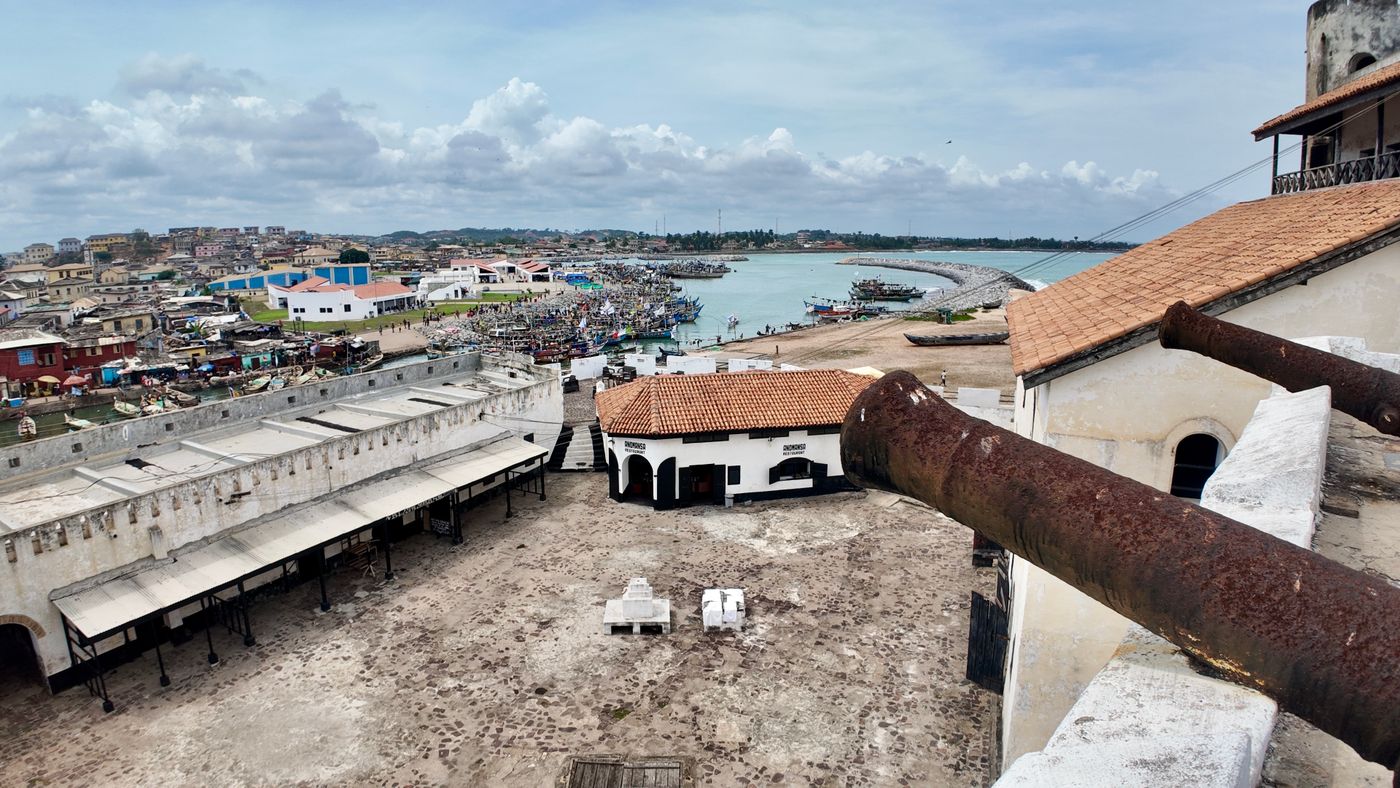
Elmina Castle, also known as St. George's Castle, is a UNESCO World Heritage Site and one of the oldest European buildings in sub-Saharan Africa, built by the Portuguese in 1482. Located in Elmina in the Central Region of Ghana, it served as a major trading post and later became a key site in the trans-Atlantic slave trade. Today it stands as a powerful historical monument and museum attracting visitors from around the world.
Koo Bonsu Sacred Lake
A sacred natural lake located in the Ahafo Region, believed to have spiritual significance by local communities. The lake is surrounded by lush vegetation and serves as both a cultural heritage site and eco-tourism destination. Visitors can learn about traditional beliefs and observe the pristine natural environment.
Nakori Hippopotamus Sanctuary
Nakori Hippopotamus Sanctuary is a wildlife conservation area located approximately 20 kilometers from Wa in the Upper West Region of Ghana. The sanctuary is home to a population of hippopotamuses and serves as an important ecotourism site, offering visitors the opportunity to observe these animals in their natural habitat. It plays a role in biodiversity conservation and local community engagement in wildlife protection.
Manhyia Palace Museum
The Manhyia Palace Museum is located in Kumasi and serves as a cultural heritage site showcasing the history and traditions of the Asante Kingdom. It is situated within the grounds of Manhyia Palace, the official seat of the Asantehene, and houses royal regalia, historical artifacts, and exhibits documenting Asante royal history. The museum offers visitors insight into the rich cultural heritage of the Ashanti people.
Kwaaman Sacred Groove
A sacred forest reserve and historical site in the Ahafo Region believed to be the ancient spiritual home of the Ashanti people before the formation of the Ashanti Kingdom. The grove contains sacred trees, streams, and traditional shrines, offering visitors insight into Akan spirituality and the origins of Ashanti civilization. It serves as both a cultural heritage site and a place of pilgrimage for traditionalists.
Kente Weaving Centre, Ntonso
Ntonso village near Mampong in the Ahafo Region is renowned for traditional adinkra cloth printing and kente weaving, offering visitors hands-on cultural experiences and the opportunity to witness master weavers at work. The village serves as a living museum of Ghanaian textile heritage, attracting cultural tourists interested in authentic craftsmanship. Visitors can purchase handmade kente and adinkra cloths directly from artisans.
Kenyasi Stone Circle and Burial Mounds
An ancient archaeological site located near Kenyasi in the Ahafo Region, featuring mysterious stone circles and burial mounds believed to date back several centuries. The site offers insights into the historical settlement patterns and burial practices of early inhabitants of the region. It is a significant cultural heritage attraction for visitors interested in Ghana's pre-colonial history.
Oti River
The Oti River is a major tributary of the Volta River in Ghana, flowing through the Oti and Volta regions. The river and its surrounding riparian areas support diverse ecosystems, local fishing communities, and serve as important natural corridors for wildlife and vegetation. The riparian zones provide ecological services including flood control, water filtration, and habitat for numerous aquatic and terrestrial species.
Goaso Sports Stadium
Goaso Sports Stadium is a community sports facility located in Goaso, the capital of Ahafo Region. The stadium serves as a venue for local football matches, athletic events, and community sports activities. It provides an important recreational and sporting infrastructure for residents of Goaso and surrounding communities.
Monkey Hill Viewpoint
Monkey Hill is a scenic viewpoint located in Takoradi, offering panoramic views of the city and the Atlantic coastline. The hilltop is a popular spot for tourists and locals seeking elevated vistas of the Western Region's capital and its harbour. It provides a natural lookout point ideal for photography and sightseeing.
VRA Museum
The VRA Museum in Akosombo showcases the history of the Volta River Authority and the development of hydroelectric power in Ghana. It features exhibits on the construction of the Akosombo Dam, the creation of Lake Volta, and the role of electricity generation in Ghana's economic development. The museum preserves the heritage of one of Africa's largest man-made lakes and its impact on the nation.
Kwahu Ridge
The Kwahu Ridge is a prominent escarpment in the Eastern Region of Ghana, running approximately 260 kilometers and rising to elevations of around 762 meters. It is home to historic Akan towns including Nkawkaw, Mpraeso, Abetifi, Pepease, and Obo, and is famous for the annual Kwahu Easter celebration, attracting thousands of tourists for paragliding and cultural festivities. The ridge serves as a major geographical and cultural landmark in Ghana.
Afram Plains
The Afram Plains is a vast lowland region in the Eastern Region of Ghana, bounded by the Afram River and Lake Volta. The area is known for its agricultural potential, wildlife, and the confluence where the Afram River meets Lake Volta, forming one of the largest freshwater bodies in West Africa. It serves as an important ecological zone and supports fishing and farming communities.
Dodi Island
Dodi Island is a scenic eco-tourism destination located on Lake Volta in the Oti Region of Ghana, accessible via boat from Dambai. The island is known for its rich biodiversity, pristine natural environment, and wildlife viewing opportunities including monkeys and diverse bird species. It offers visitors a tranquil retreat with guided nature walks, camping facilities, and cultural interactions with local communities.
Dambai Bridge
The Dambai Bridge is a major infrastructure landmark spanning the Oti River in the Oti Region of Ghana. Completed in 2019, it serves as a vital transportation link connecting Dambai to surrounding communities and enhancing regional connectivity. The scenic bridge has become a notable landmark offering picturesque views of the Oti River and the surrounding landscape.
Atebubu Slave Market Ruins
Historical ruins of a former slave market located in Atebubu, Bono East Region. The site served as a major slave trading post during the transatlantic slave trade era and remains an important heritage landmark. It stands as a somber reminder of Ghana's colonial and pre-colonial history.
Pikworo Slave Camp
Pikworo Slave Camp is a historic slave transit camp located in Paga in the Upper East Region of Ghana. It served as a holding point where enslaved Africans were kept before being marched to the coast for the transatlantic slave trade. The site features underground chambers, a bathing pond, and a large baobab tree used for punishment, and now functions as a cultural heritage and tourist attraction.
Akosombo Dam and Lake Volta
The Akosombo Dam is Ghana's primary hydroelectric power facility, completed in 1965 on the Volta River in the Eastern Region. It created Lake Volta, one of the world's largest man-made lakes by surface area, which serves as a major source of electricity generation, fishing, and transportation. The dam and lake are significant tourist attractions, offering boat cruises, fishing excursions, and views of the massive reservoir that spans over 8,500 square kilometers.
Takoradi Railway Station
Takoradi Railway Station is a historic railway terminus operated by the Ghana Railway Company Limited in Sekondi-Takoradi. Built during the colonial era, it served as a major transport hub connecting the Western Region's mining and cocoa-producing areas to the port. The station remains a significant piece of Ghana's railway heritage and industrial history.
Takoradi Beach and Esplanade
Takoradi Beach and Esplanade is a popular coastal recreation spot located in Sekondi-Takoradi, the capital of the Western Region. The esplanade features a scenic beachfront promenade offering views of the Atlantic Ocean, spaces for leisure walks, and access to the beach. It serves as a social and recreational hub for residents and visitors in the twin-city.
Krobo Mountain (Kloyosikplemi)
Krobo Mountain, known locally as Kloyosikplemi, is a historically significant site in the Eastern Region of Ghana. It served as a refuge and stronghold for the Krobo people during pre-colonial conflicts and features scenic hiking trails, caves, and panoramic views of the surrounding landscape. The mountain is both a cultural heritage site and a popular destination for eco-tourism and adventure seekers.
Jamestown and Usshertown Historic Districts
Jamestown and Usshertown are historic fishing and trading districts in central Accra, known for colonial-era architecture, vibrant street culture, and landmarks like James Fort, Ussher Fort, and the iconic Jamestown Lighthouse. These neighborhoods are among Accra's oldest settlements, dating to the 17th century, and remain cultural hubs with active Ga communities, boxing gyms, and heritage tourism. The districts are recognized for their historical significance and authentic urban character.
Fort Orange (Sekondi)
Fort Orange is a historic Dutch fortification located in Sekondi, in the Western Region of Ghana. Built by the Dutch West India Company in 1642 and named after the House of Orange, it served as a trading post during the transatlantic slave trade and later became a British lighthouse station. Today, the fort stands as a historical landmark and tourist attraction showcasing Ghana's colonial past.
European Town
European Town is a historic colonial residential area in Accra known for its distinctive colonial-era architecture and planned layout. Originally developed during British colonial rule as a segregated residential zone for European officials and merchants, the area features tree-lined streets and buildings with verandas, high ceilings, and tropical colonial design elements. Today it remains a significant heritage zone showcasing Ghana's colonial architectural legacy.
Kanyiebo Rock Shelter
Kanyiebo Rock Shelter is an archaeological and historical site located in the Ahafo Region of Ghana. The site features ancient rock formations and shelter caves that once served as refuge for communities during historical conflicts. It offers visitors a glimpse into the region's pre-colonial history and natural heritage.
Cedi Bead Factory
The Cedi Bead Factory is a renowned beadmaking center in the Krobo region, showcasing traditional Ghanaian powder-glass bead production techniques passed down through generations. Visitors can observe master craftsmen create vibrant Krobo beads using recycled glass, learn about the cultural significance of beadwork in Ghanaian society, and purchase authentic handcrafted beads. The factory and surrounding Krobo bead markets represent one of Ghana's most important cultural heritage industries.
Kassena-Nankana Traditional Architecture Sites
The Kassena-Nankana traditional architecture sites in the Upper East Region showcase the unique earthen building traditions of the Kassena and Nankana people. These compounds feature distinctive decorated walls with geometric patterns, flat roofs, and organic mud structures that blend harmoniously with the environment. Notable examples include the painted compounds of Sirigu and Tiébélé-style homesteads, recognized for their cultural and architectural significance.
Wechiau Hippo Sanctuary
Wechiau Hippo Sanctuary is a community-based wildlife conservation area located approximately 60 kilometers from Wa in the Upper West Region of Ghana. The sanctuary protects a population of hippopotamuses along the Black Volta River and offers eco-tourism activities including hippo viewing, bird watching, and cultural tours. It is managed by local communities and serves as a model for community-led conservation in Ghana.
Takoradi Beach and Coastal Areas
Takoradi Beach and the surrounding coastal areas in Sekondi-Takoradi offer scenic views of the Atlantic Ocean and serve as popular recreational spots for locals and visitors. The coastline features sandy beaches, fishing communities, and access to the Gulf of Guinea. These coastal areas are part of the Western Region's natural attractions and support both tourism and traditional fishing activities.
Bolgatanga Craft Village
Bolgatanga Craft Village is a renowned cultural and artisan center in the Upper East Region, celebrated for its traditional Bolga basket weaving and handcrafted goods. The village serves as a hub where local weavers, predominantly women, create the iconic colorful straw baskets using traditional techniques passed down through generations. Visitors can observe the weaving process, purchase authentic handmade crafts, and support the local artisan community.
Paga Crocodile Ponds
A sacred crocodile sanctuary located in Paga, Upper East Region, near the Ghana-Burkina Faso border. The ponds are home to over 100 Nile crocodiles considered sacred by the local community, where visitors can interact closely with the reptiles under the guidance of traditional custodians. The site holds deep cultural and spiritual significance and is one of Ghana's most unique ecotourism attractions.
Bonsa River
The Bonsa River is a significant water body in the Western Region of Ghana that flows through areas with active mining operations. The river has been affected by illegal small-scale mining (galamsey) activities, leading to pollution and environmental degradation. It serves local communities as a water source but faces ongoing contamination challenges from mining effluents and sediment.
Bunso Arboretum and Cocoa Research Institute
Bunso Arboretum is a botanical garden and nature reserve managed by the Forestry Commission of Ghana, located near Bunso in the Eastern Region. It features a collection of tropical tree species, walking trails, and serves as a research and conservation site. The arboretum is a popular eco-tourism destination offering visitors the opportunity to experience Ghana's rich biodiversity.
Akaa Falls
Akaa Falls is a scenic waterfall located in the Eastern Region of Ghana, near the town of Akim Oda. The falls are a popular ecotourism destination, known for their natural beauty and tranquil surroundings, attracting visitors seeking nature-based experiences.
Gwollu Slave Defense Wall
The Gwollu Slave Defense Wall is a historic fortification located in Gwollu in the Upper West Region of Ghana. Built by the Sissala people in the 18th and 19th centuries, the wall served as a defensive structure against slave raiders and invading forces. It stands as an important monument to resistance against the transatlantic slave trade and is recognized as a significant cultural and historical heritage site.
Buoyem Caves
The Buoyem Caves are a network of traditional shelter caves located in Buoyem in the Techiman North District of the Bono East Region. These caves hold historical significance as they served as hiding places for local communities during inter-tribal wars and slave raids in pre-colonial times. The site is now recognized as a cultural and tourist attraction showcasing Ghana's rich historical heritage.
Kintampo Waterfalls (Sanders Falls)
Kintampo Waterfalls, also known as Sanders Falls, is one of Ghana's highest and most visited waterfalls located in the Bono East Region. The falls cascade approximately 70 meters over three main stages and are surrounded by lush forest, offering a scenic spot for swimming, picnicking, and nature walks. It is a popular tourist attraction along the main Kumasi-Tamale highway.
Kintampo Slave Market Memorial
The Kintampo Slave Market Memorial is a historical site commemorating one of the major slave trading centers in pre-colonial Ghana. Located in Kintampo, it serves as a somber reminder of the transatlantic and trans-Saharan slave trade routes that passed through the region. The site is preserved as a place of remembrance and education about Ghana's role in the slave trade era.
Victoria Park
Victoria Park is a central recreational area and public park located in Cape Coast, Central Region. It serves as a gathering space for community events, leisure activities, and outdoor relaxation. The park is a notable landmark in the historic city of Cape Coast.
Bia National Park
Bia National Park is a protected rainforest reserve located in the southern Western North Region of Ghana, near the border with Côte d'Ivoire. Established in 1974, it covers approximately 563 square kilometers and is home to diverse wildlife including forest elephants, bongo antelopes, and over 160 bird species. The park forms part of the Bia-Goaso Forest Reserve complex and is recognized for its rich biodiversity and conservation significance.
Bonsa River and Surrounding Forest Reserves
The Bonsa River flows through the Western Region of Ghana, bordered by important forest reserves including the Bonsa River Forest Reserve. This area is part of Ghana's high forest zone and serves as a critical watershed and biodiversity corridor. The forest reserves around the river are managed by the Forestry Commission and support conservation efforts while providing ecosystem services to surrounding communities.
Kotoka International Airport
Kotoka International Airport (IATA: ACC) is Ghana's premier international airport and the main air gateway to the country, located in Accra. Named after Lieutenant General Emmanuel Kwasi Kotoka, the facility serves as a hub for domestic, regional, and intercontinental flights, connecting Ghana to destinations across Africa, Europe, the Middle East, and North America. The airport features modern terminals and handles the majority of the nation's air passenger and cargo traffic.
Tagbo Falls
Tagbo Falls is a picturesque multi-tiered waterfall located near Liati Wote in the Volta Region of Ghana. It is one of the highest waterfalls in West Africa, cascading down Mount Afadja, and serves as a popular eco-tourism destination offering scenic hiking trails and natural beauty. The falls are part of the Agumatsa Wildlife Sanctuary and attract both local and international visitors.
Mount Afadjato
Mount Afadjato is the highest mountain in Ghana, standing at approximately 885 meters (2,904 feet) above sea level. Located in the Volta Region near the border with Togo, it is a popular hiking destination offering panoramic views of the surrounding Agumatsa Wildlife Sanctuary and the Volta Region landscape. The mountain is part of the Agumatsa range and attracts both local and international tourists seeking adventure and nature experiences.
Buoyem Forest Reserve
Buoyem Forest Reserve is a protected forest area located in the Bono Region of Ghana, known for its rich biodiversity and ecological significance. The reserve and surrounding area contain important Bono heritage sites, including traditional settlements and cultural landmarks that reflect the history and customs of the Bono people. It serves as both a conservation area and a site of cultural tourism.
Kujani Tuntum Waterfalls
Kujani Tuntum Waterfalls is a scenic natural attraction located in the Ahafo Region of Ghana. The waterfall offers visitors a serene environment with cascading water surrounded by lush vegetation, making it ideal for nature lovers and eco-tourism. It serves as one of the emerging tourist destinations promoting local tourism in the region.
Kwabre Dwumakwa Shrine
A sacred grove and traditional shrine located in the Ahafo Region, known for its spiritual significance and cultural heritage. The site attracts visitors interested in traditional African religion and the cultural practices of the Akan people. It serves as both a place of worship and a cultural tourism destination showcasing indigenous spiritual traditions.
Umbrella Rock
Umbrella Rock is a unique natural rock formation located near Boti Falls in the Eastern Region of Ghana. The rock is named for its distinctive mushroom or umbrella shape, formed through natural erosion processes over centuries. It stands as one of the notable geological attractions in the Boti Falls area, drawing tourists interested in Ghana's natural wonders.
Bui National Park
Bui National Park is a protected wildlife reserve located in the Brong-Ahafo and Northern regions of Ghana, covering approximately 1,820 square kilometers. The park is home to hippos, various antelope species, and over 250 bird species, and is adjacent to the Bui Dam on the Black Volta River. It offers eco-tourism opportunities including wildlife viewing, bird watching, and nature walks, accessible via regional routes through Wenchi and Banda.
Kwabre Nkwanta Archaeological Site
An important archaeological and heritage site in the Ahafo Region featuring ancient stone monuments and rock formations that showcase pre-colonial settlement patterns. The site offers visitors insight into early indigenous societies and their architectural practices. It serves as both a cultural heritage site and educational destination for those interested in Ghana's ancient history.
Dambai Bridge over the Oti River
The Dambai Bridge is a major infrastructure landmark spanning the Oti River in the Oti Region of Ghana. It connects communities across the river and serves as a vital transport link in the eastern corridor. The bridge is also a notable scenic point along the route to Dambai, the regional capital.
Kenten Caves
A network of ancient caves located near Duayaw Nkwanta in the Ahafo Region. The caves served as a refuge during inter-tribal wars and feature natural rock formations, stalactites, and chambers that attract history enthusiasts and adventurers. The site offers guided tours exploring the historical significance and geological features of the caves.
Ho Municipal Park
Ho Municipal Park is a public recreational area located in Ho, the capital of the Volta Region. It serves as a green space for relaxation, community gatherings, and outdoor activities for residents and visitors. The park is part of Ho's municipal infrastructure aimed at providing leisure and recreational facilities.
Kwaaman Royal Mausoleum
The Kwaaman Royal Mausoleum is a historic burial site located in Kwaaman, the ancestral home of the Ashanti Kingdom in the Ahafo Region. It serves as the final resting place for early Ashanti royalty and is an important cultural heritage site. Visitors can learn about the origins of the Ashanti civilization and pay respects to the traditional rulers buried there.
Kenyasi Caves
The Kenyasi Caves are natural rock formations located in Kenyasi in the Ahafo Region of Ghana. These caves hold cultural and historical significance for the local communities and offer visitors a unique geological and spiritual experience. The site attracts tourists interested in natural wonders and traditional heritage.
Bono Manso Slave Market and Museum
A historic slave market site in Bono Manso, one of the major inland slave trading centers during the Trans-Atlantic slave trade. The site features a museum and monuments commemorating the enslaved Africans who passed through on their journey to the coast. It serves as an important heritage tourism destination for understanding Ghana's role in the slave trade.

Krokosua Hills Forest Reserve
A pristine forest reserve in the Ahafo Region known for its rich biodiversity, scenic hills, and opportunities for eco-tourism. The reserve offers hiking trails, bird watching, and a chance to experience Ghana's tropical rainforest ecosystem. It serves as an important conservation area and an emerging destination for nature enthusiasts visiting the Ahafo Region.
Tano Nimiri Forest Reserve
Tano Nimiri Forest Reserve is a protected forest area in the Brong-Ahafo (now Bono) region of Ghana, recognized as the source of the Tano River, one of Ghana's major waterways. The reserve serves both ecological conservation and cultural significance, preserving biodiversity while marking the birthplace of a river considered sacred in Akan tradition. It is managed under Ghana's forest reserve system and attracts eco-tourists and researchers.
Kumasi Cultural Centre
The Kumasi Cultural Centre is a major cultural institution in the Ashanti Region dedicated to preserving and promoting Ashanti arts, crafts, and heritage. It houses the Prempeh II Jubilee Museum, a library, and various craft workshops where traditional Kente weaving, wood carving, and other indigenous crafts are practiced and displayed. The centre serves as an important tourist attraction and educational resource for Ashanti culture.
Umbrella Rock and Three-Headed Palm Tree
Two natural curiosities located near Boti Falls in the Eastern Region of Ghana. The Umbrella Rock is a massive rock formation shaped like an umbrella that provides natural shelter, while the Three-Headed Palm Tree is a rare botanical phenomenon where a single palm trunk splits into three distinct stems. Both formations are popular stops for tourists visiting the Boti Falls area.
Tano River
The Tano River is one of Ghana's major rivers, flowing approximately 400 kilometers from the Techiman area through the Bono, Bono East, and Ahafo regions before entering Côte d'Ivoire and emptying into the Atlantic Ocean. The river holds significant cultural and spiritual importance to the Akan people, particularly the Bono and Asante, and is considered sacred in traditional Ghanaian religion. It serves as a vital water resource for communities along its course and supports fishing, agriculture, and local ecosystems.
Atebubu Historic Trading Post
Atebubu, located in the Bono East Region, served as a major historic trading post during the trans-Saharan and Ashanti trade era. The town was a crucial junction for kola nut, salt, gold, and slave trade routes connecting the northern savannah to the forest kingdoms. Today, remnants of this trading heritage attract cultural and heritage tourism.
Sekondi Fort (Fort Sekondi)
Fort Sekondi, also known as Fort Secundi or Dutch Fort Sekondi, is a historic fortification built by the Dutch in 1642 in Sekondi, Western Region of Ghana. The fort served as a trading post during the colonial era and is one of the many coastal forts and castles that mark Ghana's role in the trans-Atlantic trade. Today it stands as a heritage site and tourist attraction.
Mamprugu Moagduri Museum
The Mamprugu Moagduri Museum is a cultural heritage museum located in Nalerigu in the North East Region of Ghana. It showcases the rich history, traditions, and artifacts of the Mamprusi people and the Mamprugu Kingdom. The museum serves as an important educational and tourist destination preserving the cultural legacy of the area.
Okomfo Anokye Sword Site
The Okomfo Anokye Sword Site in Kumasi is a sacred historical landmark where a legendary sword is embedded in rock, believed to have been placed there by the great Ashanti priest Okomfo Anokye in the 17th century. The sword is considered a powerful symbol of Ashanti unity and spirituality, with tradition holding that the Ashanti Kingdom will fall if the sword is ever removed. It remains a significant cultural and tourist attraction in the Ashanti Region.
Achimota Forest Reserve
Achimota Forest Reserve is a protected ecological reserve located in northern Accra, spanning approximately 361 acres. Originally established in 1930, it serves as a vital green lung for the capital, providing ecosystem services, biodiversity conservation, and recreational space for residents. The forest has faced encroachment challenges but remains an important urban conservation area and educational site.
Coronation Park
Coronation Park is a central recreational area located in Sunyani, the capital of the Bono Region. The park serves as a public space for relaxation, community gatherings, and outdoor activities for residents and visitors. It is one of the notable green spaces in Sunyani offering recreational amenities.
Ngyiresia Beach
Ngyiresia Beach is a coastal recreational area located in the Western Region of Ghana, known for its scenic shoreline and relaxed atmosphere. It serves as a popular destination for beachgoers seeking a quieter alternative to busier coastal spots, offering opportunities for swimming, picnicking, and leisure activities along the Atlantic coast.
Legon Botanical Gardens
The Legon Botanical Gardens is a conservation and educational facility located on the University of Ghana campus in Legon, Accra. It houses a diverse collection of tropical and indigenous plant species and serves as a resource for botanical research, environmental education, and public recreation. The gardens provide a tranquil green space for students, researchers, and visitors.

Nakpanduri Escarpment
A stunning natural rock formation and scenic viewpoint in the North East Region of Ghana. The escarpment offers panoramic views of the surrounding savannah landscape and is a popular destination for hiking and nature tourism. Located near the town of Nakpanduri, it provides visitors with breathtaking vistas and opportunities to experience the region's unique geography.
Dodi Islands
The Dodi Islands are a group of picturesque islands located on the Volta Lake in the Volta Region of Ghana. They are known for their scenic beauty, tranquil environment, and serve as a popular ecotourism destination offering opportunities for relaxation, wildlife viewing, and boat trips. The islands are accessible by boat from nearby towns along the lake.
Sakumono Ramsar Site
Sakumono Ramsar Site is a wetland conservation area located in the Greater Accra Region of Ghana, designated under the Ramsar Convention on Wetlands of International Importance. The site supports diverse aquatic biodiversity, serves as a habitat for migratory and resident bird species, and plays a critical role in coastal flood management and water purification. It is managed under Ghana's wildlife protection framework and represents an important ecological asset for environmental education and eco-tourism.
Keta Lagoon Complex
The Keta Lagoon Complex is a Ramsar-designated wetland site in the Volta Region, renowned for its exceptional biodiversity and as a major birdwatching destination. The lagoon serves as a critical habitat for migratory and resident bird species, supporting over 70 species including herons, egrets, and terns. It is also important for local fishing communities and holds significant ecological value for coastal conservation in Ghana.
Fort Prinzenstein
Fort Prinzenstein is a historic Danish fort located in Keta in the Volta Region of Ghana. Built in 1784 by the Danes, it served as a trading post and slave holding facility during the colonial era. Today, it operates as a museum and cultural heritage site, preserving the history of the transatlantic slave trade and Danish colonial presence in Ghana.
Mount Afadja
Mount Afadja (also spelled Mount Afadjato) is the highest mountain in Ghana at approximately 885 meters (2,904 feet) above sea level. Located in the Volta Region near the villages of Liati Wote and Gbledi Gbogame, it is part of the Agumatsa Range along the Ghana-Togo border. The mountain is a popular eco-tourism destination accessible from Ho, offering hiking trails, scenic views, and opportunities to experience the surrounding biodiversity and local communities.
Ussher Fort (Osu Castle)
Ussher Fort, also known as Fort Crèvecœur, is a historic Danish-built fort constructed in 1649 in Osu, Accra. It served as a key trading post during the colonial era and was later used by the British colonial administration. The fort is now a museum and significant heritage site showcasing Ghana's colonial history.
Tano Sacred Grove
The Tano Sacred Grove is a collection of religious and cultural sites along the Tano River in Ghana, particularly in the Bono and Ahafo regions. These groves are sacred to the Akan people and are associated with the Tano deity, one of the most important river gods in traditional Ghanaian spirituality. The sites serve as places of worship, traditional rites, and cultural preservation, attracting both pilgrims and visitors interested in Ghana's indigenous religious heritage.
Bunso Arboretum
Bunso Arboretum is a nature reserve and educational center located in the Eastern Region of Ghana. It features a diverse collection of indigenous and exotic tree species, walking trails, and serves as an important site for botanical research and environmental education. The arboretum is a popular destination for nature lovers, students, and tourists seeking to explore Ghana's rich biodiversity.
Freedom Shrine and Museum Ho
The Freedom Shrine and Museum in Ho, Volta Region, commemorates Ghana's independence struggle and the contributions of the Volta Region to national liberation. It serves as a cultural and educational center showcasing artifacts, photographs, and exhibits related to Ghana's path to independence and regional history.
James Fort (Ussher Fort)
James Fort, also known as Ussher Fort, is a historic British colonial fort built in the 1660s on the coast of Accra, Ghana. Originally constructed for trading activities, it later served as a prison and is now a notable heritage site and tourist attraction reflecting Ghana's colonial past. The fort is located near the James Town neighborhood of Accra.
Tano Boase Sacred Grove
Tano Boase Sacred Grove is a UNESCO-recognized cultural and spiritual site located near Techiman in the Bono East Region. The grove is sacred to the Bono people and is dedicated to the river deity Tano, featuring ancient trees, shrines, and traditional ritual sites that have been preserved for centuries. It serves as an important pilgrimage destination and represents the rich indigenous religious and cultural heritage of the Akan people.
Amoma Waterfall
Amoma Waterfall is a scenic natural waterfall located in the Nkoranza North District of the Bono East Region. It serves as a tourist attraction showcasing the natural beauty and landscape of the area, drawing visitors interested in eco-tourism and outdoor exploration.
Nakori Slave Caves
The Nakori Slave Caves are a historical site located near Jirapa in the Upper West Region of Ghana. These caves served as holding chambers during the trans-Saharan slave trade era, where enslaved people were kept before being transported northward across the Sahara. The site stands as a solemn reminder of Ghana's pre-colonial slave trade history and is an important cultural heritage landmark in the region.
Sekondi Railway Station and Museum
A historic railway station in Sekondi, Western Region, showcasing Ghana's colonial-era railway heritage. The site features preserved locomotives, railway artifacts, and exhibits documenting the development of Ghana's railway network from the late 19th century. It serves as both a functional station and a museum preserving the country's transportation history.
Railway Station and Museum
A heritage museum showcasing Ghana's colonial-era railway history and infrastructure. The site preserves locomotives, railway artifacts, and documents that tell the story of Ghana's railway development during the colonial period. It serves as both an educational facility and tourist attraction highlighting the country's transportation heritage.
Takoradi Beach and Beachfront
Takoradi Beach is a popular coastal recreation area located adjacent to Takoradi Harbour in the Western Region. The beachfront serves as a key public leisure destination for residents and visitors, offering scenic ocean views and proximity to the city's bustling port. It is a notable landmark in Sekondi-Takoradi, Ghana's third-largest city.
Fort Orange
Fort Orange was a Dutch colonial fort built in Sekondi (now Sekondi-Takoradi) during the 17th century as part of the Dutch West India Company's trading operations along the Gold Coast. The fort served as a trading post and defensive structure during the era of European competition for control of the coastal trade. Today, remnants of the fort contribute to Ghana's rich colonial heritage sites in the Western Region.
Fort Sekondi
Fort Sekondi is a historic 17th-century Dutch fortification located in Sekondi-Takoradi, overlooking the Atlantic coast. Originally built by the Dutch for trade and defense purposes, it served as one of several European forts along Ghana's coast during the colonial era. Today it stands as a heritage site reflecting Ghana's colonial history and the transatlantic trade period.
Fort Orange (Takoradi Fort)
Fort Orange is a historic Dutch colonial fort located in Takoradi in the Western Region of Ghana. Built by the Dutch in 1642, it served as a trading post and administrative center during the colonial era. The fort is one of several coastal fortifications that form part of Ghana's UNESCO World Heritage-listed castles and forts.
Install the App
Tap the “Install App” button in the menu (or the banner at the bottom) to add GhanaMann to your home screen — it opens full-screen like a real app, even offline.
- Akwaaba! It looks like you're in Sweden. Want the site in Svenska?
- Akwaaba! It looks like you're in Sweden. Want the site in sv?