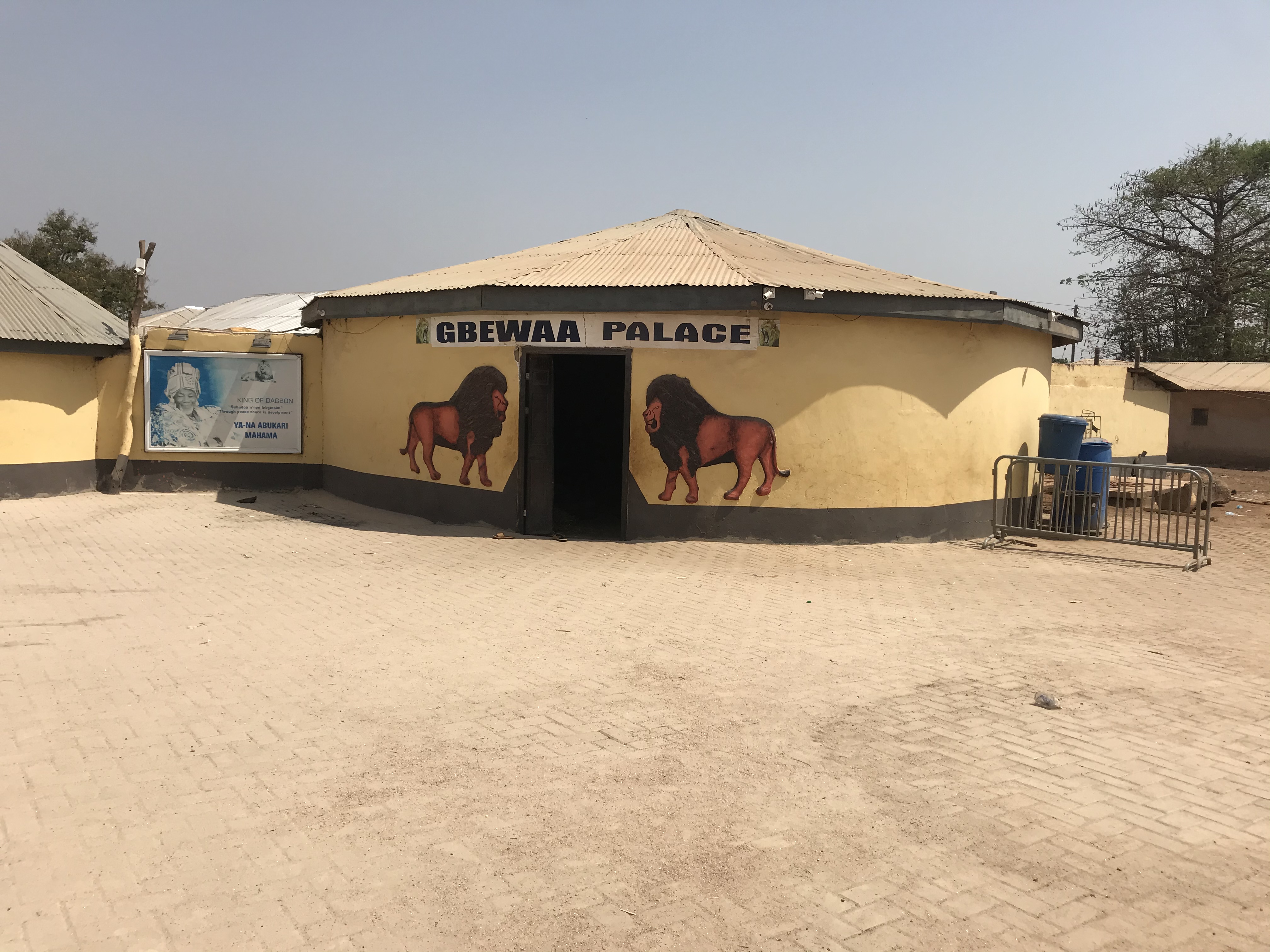
Yaa-Naa Palace
The Yaa-Naa Palace in Yendi is the seat of the overlord of Dagbon, one of the oldest and most respected traditional kingdoms in Ghana. The Yaa-Naa presides over the Dagbon Traditional Council and serves as the paramount chief of the Dagomba people in the Northern Region.
Everything public about Yaa-Naa Palace
The Yaa-Naa Palace in Yendi serves as the royal seat of the Yaa-Naa, the paramount chief and overlord of the Dagbon Kingdom, one of Ghana's oldest and most culturally significant traditional states. The palace is the administrative and ceremonial center where the Yaa-Naa presides over the Dagbon Traditional Council, governing the Dagomba people across the Northern Region. This historic institution has been central to Dagomba culture, chieftaincy succession, and traditional governance for centuries.
The Dagbon Kingdom was established in the 15th century, making it one of the oldest kingdoms in present-day Ghana, with Yendi serving as its capital since the early days. The palace has witnessed centuries of royal succession through the complex Dagbon chieftaincy system, which involvesrotational selection from specific royal gates. The institution faced a tragic crisis in 2002 with the assassination of Yaa-Naa Yakubu Andani II, leading to years of chieftaincy disputes that were resolved in 2019 with the enskinment of Yaa-Naa Abukari Mahama II, bringing peace and restoration to Dagbon.
- The Yaa-Naa is the paramount chief of the Dagomba people and overlord of one of Ghana's oldest traditional kingdoms
- Yendi has served as the capital of the Dagbon Kingdom since the 15th century
- The palace is the seat of the Dagbon Traditional Council, which oversees numerous divisional and sub-chiefs across the Northern Region
- Yaa-Naa Abukari Mahama II was enskinned in January 2019, ending a 17-year chieftaincy crisis following the 2002 Ya-Naa Andani tragedy
- The Dagomba people are known for their rich cultural heritage including the talking drum (lunna) tradition and the annual Damba festival
Visitors to the Yaa-Naa Palace should arrange courtesy calls in advance through the palace protocol office or local government authorities in Yendi, as this is an active royal and administrative seat. Appropriate traditional protocol must be observed, including respectful dress and behavior when approaching the palace. The best time to experience Dagbon culture is during major festivals like the Damba or Bugum (Fire Festival) when cultural displays and celebrations take place.
The Dagomba talking drum, known as the lunna, can actually communicate complex historical narratives and genealogies of chiefs, serving as an oral library that drum historians use to recite the complete lineage of Yaa-Naas dating back over 500 years.
Videos, photos & articles
Install the App
Tap the “Install App” button in the menu (or the banner at the bottom) to add GhanaMann to your home screen — it opens full-screen like a real app, even offline.