The Tano Sacred Grove and the Tano River form one of Ghana's most revered traditional spiritual landscapes — a living sacred forest in the Bono East Region (around Techiman and the Tano Boase area) where the river god Tano, one of the most powerful abosom in Akan cosmology, is believed to dwell. The grove is protected by traditional authority and taboo rather than by fence or guard, and it stands as a cultural landmark of national and even pan-Akan significance. **Who Tano is.** In Akan religion, Tano is a river deity (obosom) and one of the sons of Nyame, the Supreme Being. He is regarded as the mightiest of the abosom — so central that many Akan states trace their spiritual foundations to him. The Asante in particular credit Tano with guiding them: legend holds that the Golden Stool, the soul of the Asante nation, was summoned from the heavens by Okomfo Anokye and descended onto the lap of Osei Tutu I, and that Tano's power was invoked in the founding of the Asante Empire. Priests of Tano (akomfo) have historically served as advisers to chiefs and as ritual specialists across Asante, Bono, Akyem and beyond. **The grove and the river.** The Tano River rises in the hills near Techiman and flows south-east through Bono East, Ashanti and into the Western Region, eventually reaching the sea through the Aby Lagoon system near the Côte d'Ivoire border. Along its upper course, stretches of riverine forest are held sacred — the Tano Sacred Grove being the best known. Within it, certain trees, pools and stretches of water are off-limits: fishing, farming, felling and even loud or disrespectful behaviour are traditionally forbidden. The taboo is the enforcement. Elders and the Tano priesthood guard access, and rituals, libations and purification rites are performed at designated spots. **Why it matters culturally.** The grove is a living archive of Akan spirituality — a place where the relationship between land, water, ancestors and the living is enacted, not just remembered. It also carries ecological weight: sacred groves like Tano preserve remnant forest that surrounding farmland has long lost, making them de facto conservation sites. Researchers and conservation bodies have pointed to such groves as models of community-based protection. For the Bono and Asante peoples, and for Akan communities across Ghana and the diaspora, Tano remains a source of identity, healing and moral authority. **Practical note.** The site is a place of worship first and a visitor attraction second. Anyone wishing to visit should seek the permission of the local traditional authorities and the Tano priests, dress and behave respectfully, and never enter restricted areas or touch ritual objects. Photography is often restricted. As the proverb goes, *"Se wo were fi na wosan kofa a, yenkyi"* — it is not wrong to go back for that which you have forgotten. The Tano grove is one of the places where Ghana goes back to remember.
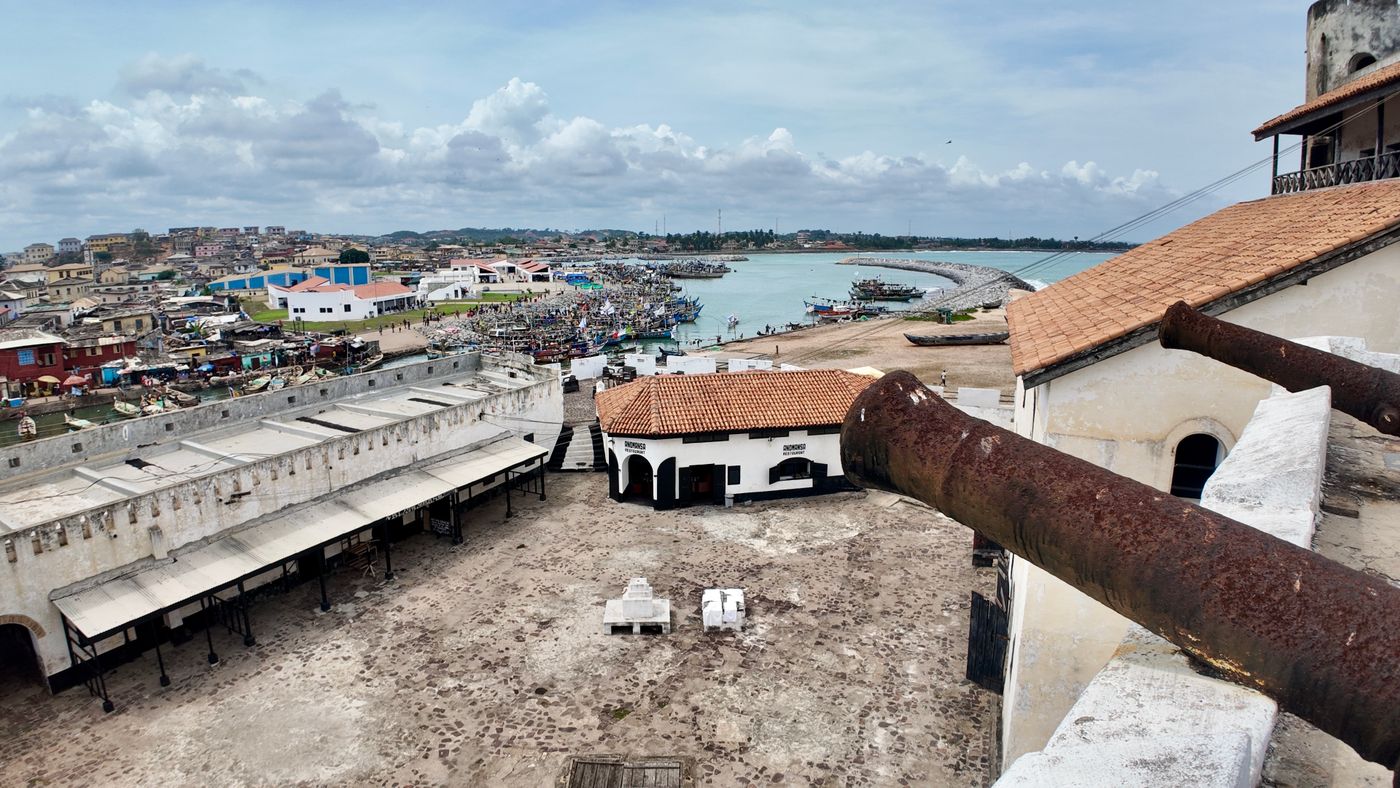
Tano River Sacred Groves
The Tano River is one of Ghana's most sacred waterways, originating in the Brong-Ahafo region and flowing through multiple regions. The river and its associated sacred groves are revered in Akan traditional religion, with communities maintaining protected forest areas along its banks as sites of spiritual significance and traditional worship.
Tano Boase
Tano Boase is a sacred grove and traditional shrine in the Techiman area of the Bono East Region, marking the source of the Tano River. It is a major pilgrimage site for Akan traditional worshippers and an important cultural and spiritual landmark in Ghana.
Tano Boase Sacred Grove
Tano Boase Sacred Grove is a UNESCO-recognized cultural and spiritual site located near Techiman in the Bono East Region. The grove is sacred to the Bono people and is dedicated to the river deity Tano, featuring ancient trees, shrines, and traditional ritual sites that have been preserved for centuries. It serves as an important pilgrimage destination and represents the rich indigenous religious and cultural heritage of the Akan people.
Tano Sacred Grove
The Tano Sacred Grove is a collection of religious and cultural sites along the Tano River in Ghana, particularly in the Bono and Ahafo regions. These groves are sacred to the Akan people and are associated with the Tano deity, one of the most important river gods in traditional Ghanaian spirituality. The sites serve as places of worship, traditional rites, and cultural preservation, attracting both pilgrims and visitors interested in Ghana's indigenous religious heritage.
Install the App
Tap the “Install App” button in the menu (or the banner at the bottom) to add GhanaMann to your home screen — it opens full-screen like a real app, even offline.