Takoradi Harbour, in the Western Region, is Ghana's first true deep-water seaport — opened in 1928 — and for decades it was the nation's principal gateway for cocoa, timber and manganese exports. **How it came to be.** The harbour was built by the British colonial administration after surveys showed that Takoradi's natural deep-water anchorage could take ocean-going vessels directly, unlike the surf ports at Cape Coast, Winneba, Keta and Accra where goods had to be lightered out through the breakers. Construction began in 1921 under the engineer Sir Hugh Clifford's administration and the port was formally opened on 3 April 1928 by Governor Sir Gordon Guggisberg — the same visionary governor who gave Ghana Korle Bu Hospital, Achimota School and the Takoradi–Kumasi railway line. The railway was in fact the key: Guggisberg's "Ten-Year Development Programme" linked the port to the cocoa belt and the gold mines of Obuasi, so the harbour and the railhead grew up together. **Why it mattered.** Takoradi became the funnel through which Ghana's export economy flowed. Cocoa from the Western, Ashanti and Brong Ahafo regions, timber from the Western forests, manganese from Nsuta, bauxite from Awaso and later gold all moved through its quays. During the Second World War it was a strategic Allied base, and it was from Takoradi that Britain flew aircraft in crates and reassembled them for the North African campaign. In 1962, after independence, Nkrumah's government added the neighbouring port of Tema — a purpose-built harbour east of Accra — to handle the growing traffic, and the two have worked as Ghana's twin sea gateways ever since. **Takoradi today.** The port is run by the Ghana Ports and Harbours Authority (GPHA) and has been substantially modernised: new berths, gantry cranes, a dedicated oil-service and offshore-supply terminal serving the Jubilee and TEN oil fields, and a busy fishing harbour nearby. The twin-city of Sekondi-Takoradi, capital of the Western Region, has grown around it and is now one of Ghana's most industrialised urban centres. The Takoradi–Kumasi railway is being rehabilitated, and the port remains a vital node for the country's cocoa, timber and petroleum sectors. A fitting Akan thought: *"Dua korɔ gye mframa, na ebu"* — a lone tree that faces the storm breaks; it is the forest that stands. Takoradi has stood for nearly a century because the whole country's trade leaned on it.
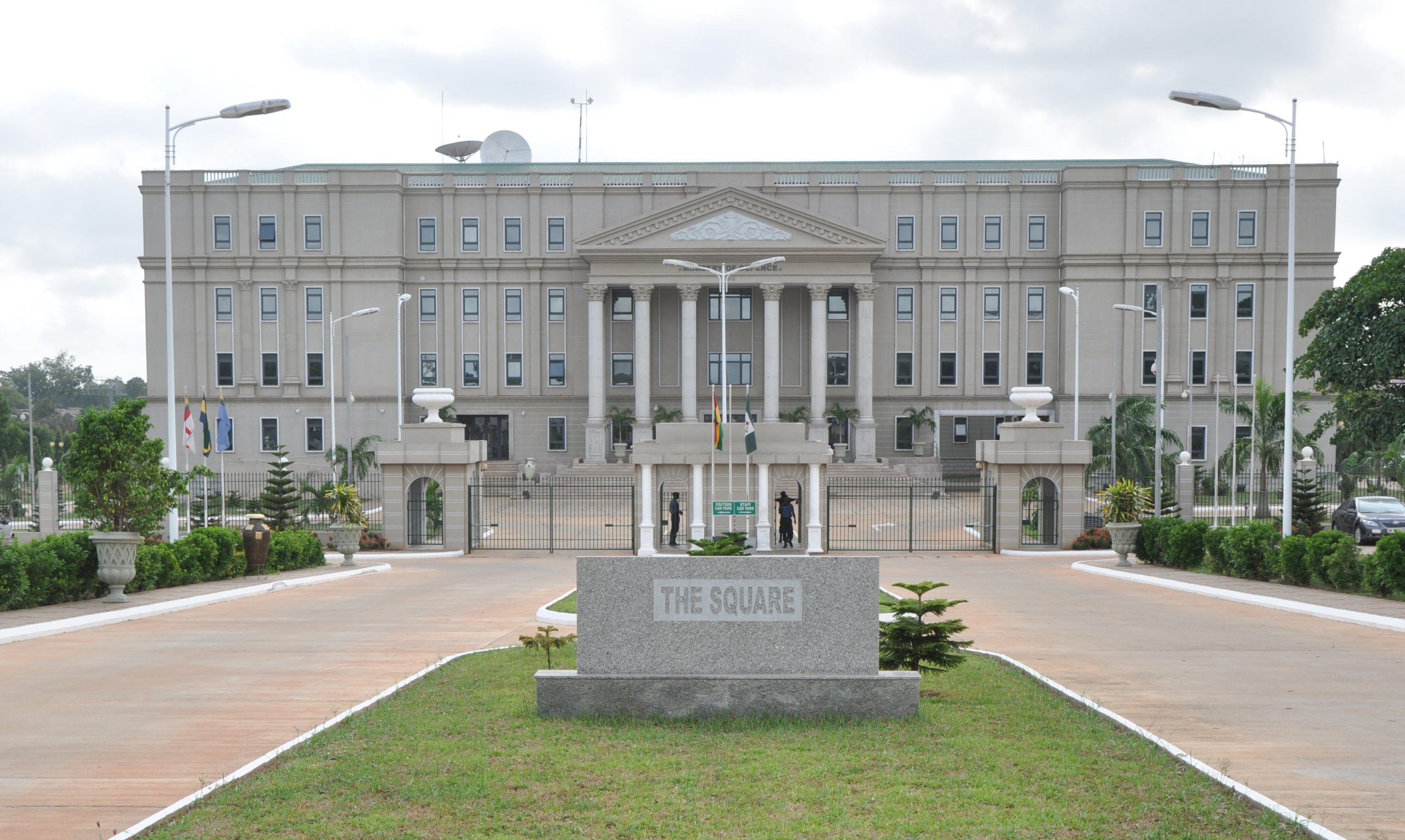
Takoradi Harbour
Takoradi Harbour, commissioned in 1928, is Ghana's first deepwater seaport and one of the country's two main seaports alongside Tema. Located in Sekondi-Takoradi, it serves as a vital gateway for imports and exports, particularly cocoa, timber, and manganese, and is managed by the Ghana Ports and Harbours Authority (GPHA). The port has undergone significant expansion and modernization over the decades to support Ghana's maritime trade and offshore oil and gas industry.
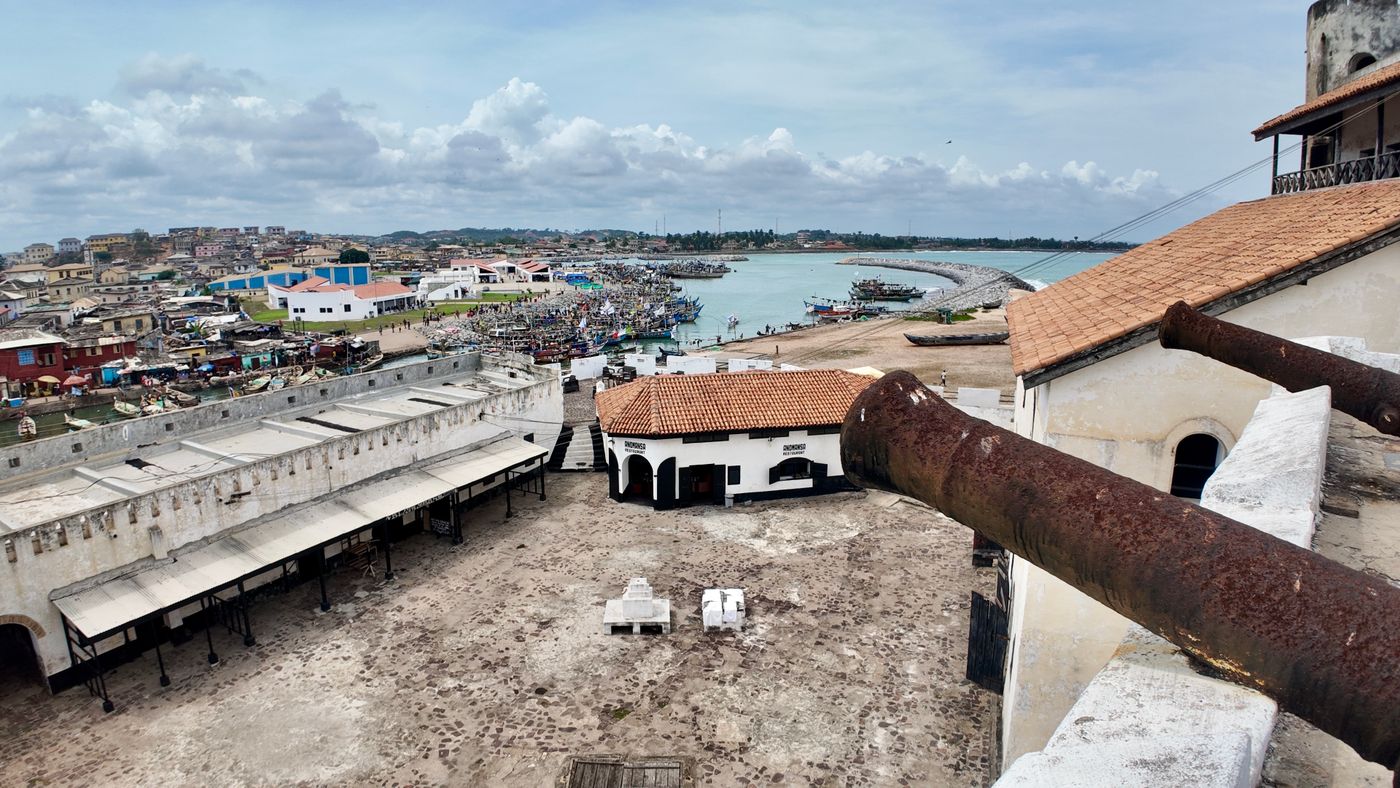
Takoradi Harbour Viewing Area
Takoradi Harbour, part of the Port of Takoradi (now Takoradi Port), is Ghana's first and oldest seaport and a major industrial hub in the Western Region. Visitors can view port operations, ocean-going vessels, and harbour activities from designated public vantage points near the harbour entrance and along the breakwater. The harbour area offers insights into Ghana's maritime trade and serves as a notable point of interest for tourists and maritime enthusiasts.
Install the App
Tap the “Install App” button in the menu (or the banner at the bottom) to add GhanaMann to your home screen — it opens full-screen like a real app, even offline.
- Akwaaba! It looks like you're in France. Want the site in Français?