The Wa Naa's Palace is the traditional seat of the Wa Naa, the paramount chief of the Wala people, and it stands in the heart of Wa, the capital of the Upper West Region of Ghana. The palace is one of the most historically significant traditional residences in northern Ghana. The Wala kingdom is an ancient one, with its roots in the old Waala state that emerged from the broader Mole-Dagbani migrations and the influence of the Dagbon and Gonja kingdoms. The Wa Naa rules over the Wala people and is the custodian of the Wa traditional area, presiding over a well-organised chieftaincy structure with sub-chiefs and elders beneath him. The palace itself is a large, walled compound built in the traditional northern Ghanaian architectural style — mud-brick walls, flat roofs, and a series of interconnected courtyards — and it functions not only as the chief's residence but as the cultural and spiritual centre of the Wala state. The palace is the venue for major traditional ceremonies, most notably the Dumba Festival, the Wala people's most important annual celebration. Dumba is a harvest and thanksgiving festival held in honour of the ancestors and the gods, featuring drumming, dancing, and the display of the Wa Naa's regalia. It is also during Dumba that the chief publicly reviews his sub-chiefs and reaffirms the unity of the Wala kingdom. The festival draws people from across the Upper West Region and beyond, and it has become a significant cultural tourism attraction. The Wa Naa's Palace also has a place in modern Ghanaian history: it was here that the body of the late Wa Naa was traditionally received and where succession disputes and enskinment ceremonies have been settled over the decades. The chieftaincy remains a living institution, and the Wa Naa continues to play a role in local governance, dispute resolution, and the preservation of Wala customs and the Waali language. If you are planning to visit, the palace is in central Wa, close to the Wa Central Market, and visitors are generally welcome to view the exterior and, with permission, certain courtyards — but as with all traditional palaces in Ghana, you should show respect, dress modestly, and seek the guidance of the elders before entering sacred spaces. As the Akan say, *"Yɛnni kwan pa a, yɛnhu fie pa"* — without good conduct, one does not see the good house.
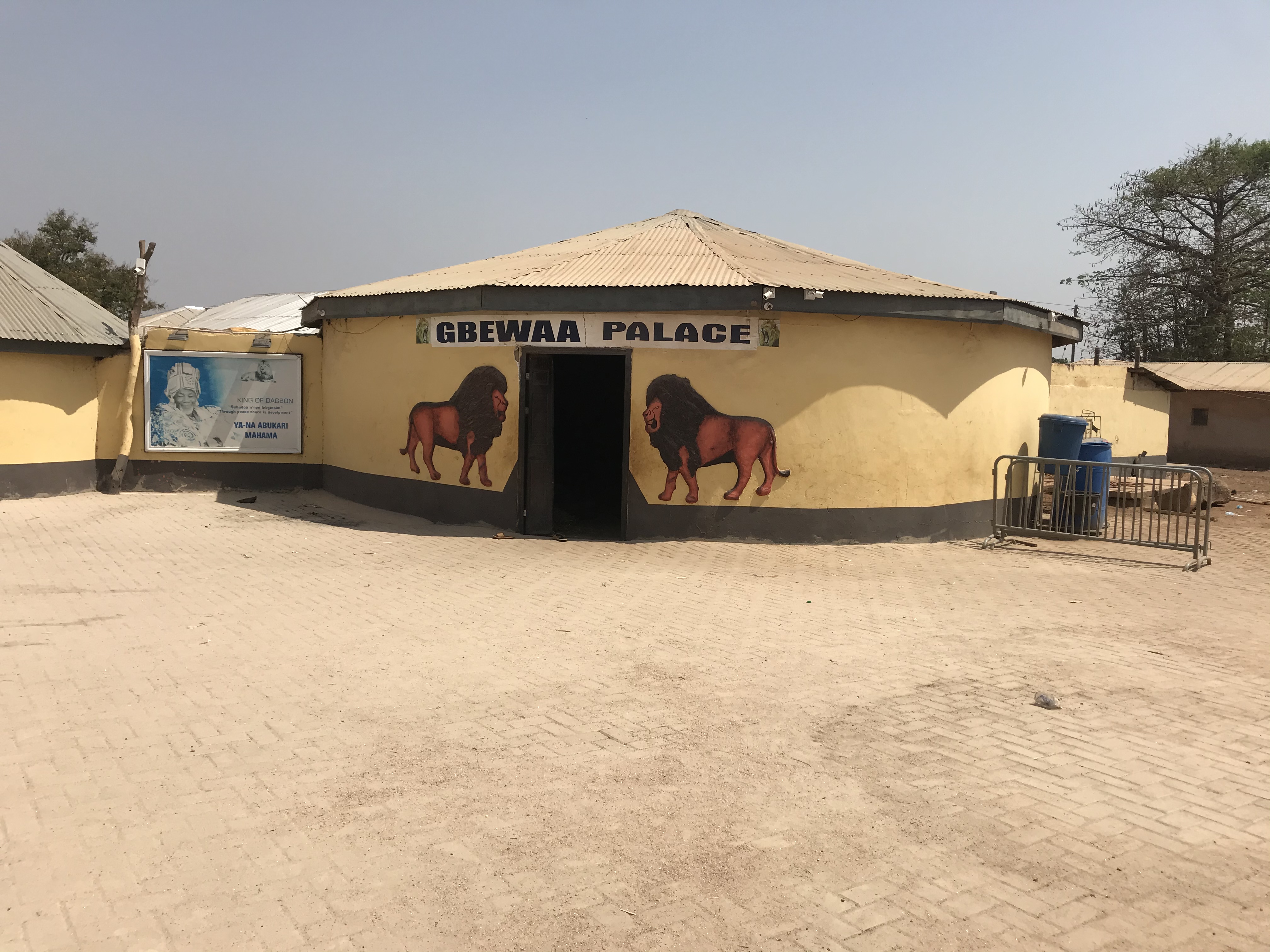
Yaa-Naa's Palace, Gbewaa Palace
Gbewaa Palace is the official seat of the Yaa-Naa, the paramount chief and overlord of the Dagbon Traditional Area in the Northern Region of Ghana. The palace serves as the traditional headquarters of the Dagbon Kingdom and hosts the traditional council that oversees customary matters across Dagbon. It is located in Yendi, the traditional capital of Dagbon.
Yaa Naa's Palace, Gbewaa Palace
The Gbewaa Palace in Yendi is the official seat of the Yaa Naa, the paramount chief and overlord of the Dagbon Traditional Area in the Northern Region of Ghana. The palace serves as the administrative and ceremonial center for one of Ghana's most ancient and respected traditional kingdoms, housing the Yaa Naa and the traditional council that governs customary matters across Dagbon.
Wa Naa's Palace
The Wa Naa's Palace is the official seat of the Wa Naa, the paramount chief of the Waala Traditional Area in the Upper West Region of Ghana. It serves as the administrative and ceremonial center of the Waala traditional authority and is a symbol of the rich cultural heritage of the Waala people. The palace plays a central role in customary governance, dispute resolution, and the preservation of traditional customs in the region.
Yaa Naa's Palace, Yendi
The Gbewaa Palace in Yendi is the seat of the Yaa Naa, the paramount chief and overlord of Dagbon Traditional Area in the Northern Region. The palace serves as the administrative and ceremonial center for one of Ghana's most historically significant kingdoms, housing the traditional council that governs customary matters across Dagbon.
Yaa-Naa's Palace (Gbewaa Palace)
The Gbewaa Palace in Yendi is the official seat of the Yaa-Naa, the paramount chief and overlord of Dagbon Traditional Area in the Northern Region. The palace serves as the traditional administrative center for the Dagbon Kingdom, one of Ghana's oldest and most influential traditional states. It is the venue for important customary rites, judicial proceedings, and cultural ceremonies of the Dagomba people.
Yaa Naa's Palace (Gbewaa Palace)
The Gbewaa Palace is the official seat of the Yaa Naa, the paramount chief and overlord of Dagbon in the Northern Region of Ghana. It serves as the center of traditional governance for the Dagbon kingdom, one of the oldest and most significant traditional states in northern Ghana. The palace hosts the Yaa Naa and the traditional council that administers customary law and resolves disputes across Dagbon.
Install the App
Tap the “Install App” button in the menu (or the banner at the bottom) to add GhanaMann to your home screen — it opens full-screen like a real app, even offline.